Optimal Timing for Air Quality Testing
Air quality testing is essential for identifying pollutants and ensuring a safe indoor environment. The timing of testing can influence the accuracy and relevance of results, making it important to choose optimal periods for assessment.
Air quality can fluctuate with seasons, often worsening during winter due to heating and reduced ventilation.
Testing after renovations or construction helps detect dust, fumes, and other pollutants introduced during work.
Conducting tests before and after renovations ensures indoor air quality is maintained or improved.
Scheduling tests during days with elevated outdoor pollution can reveal infiltration levels indoors.
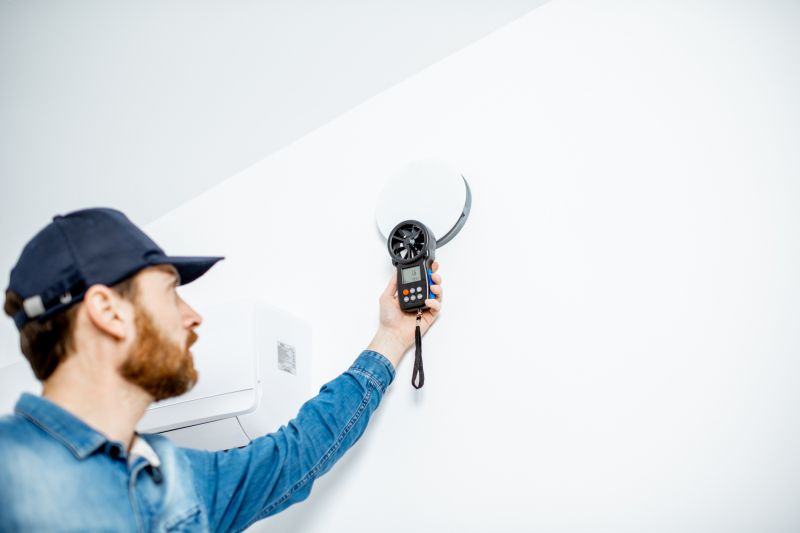
Ways to make Air Quality Testings work in tight or awkward layouts.
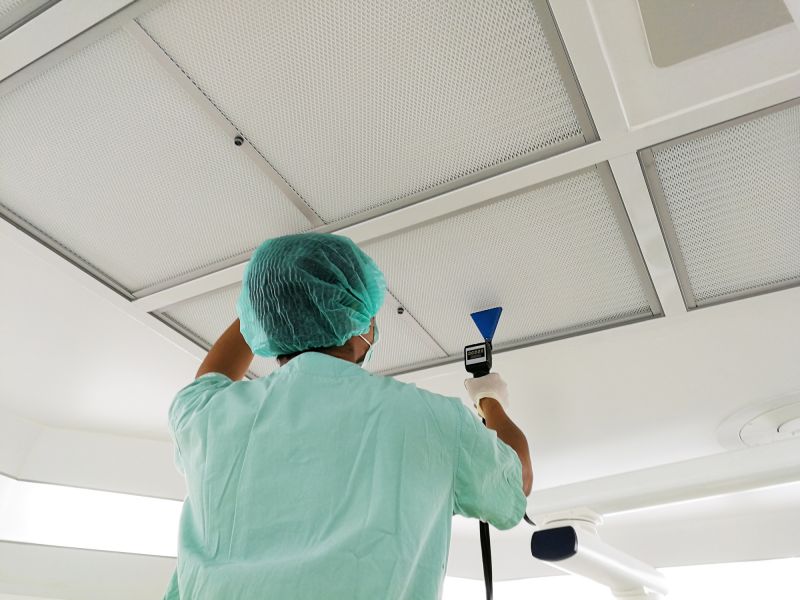
Popular materials for Air Quality Testings and why they hold up over time.
Simple add-ons that improve Air Quality Testings without blowing the budget.
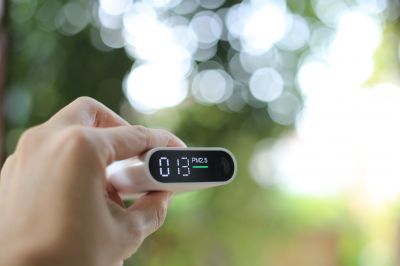
High-end options that actually feel worth it for Air Quality Testings.
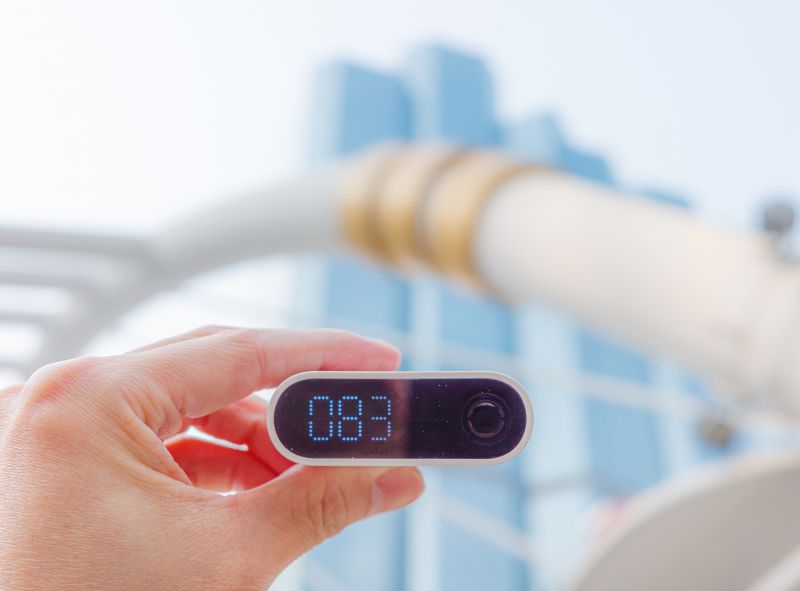
Finishes and colors that play nicely with Air Quality Testings.
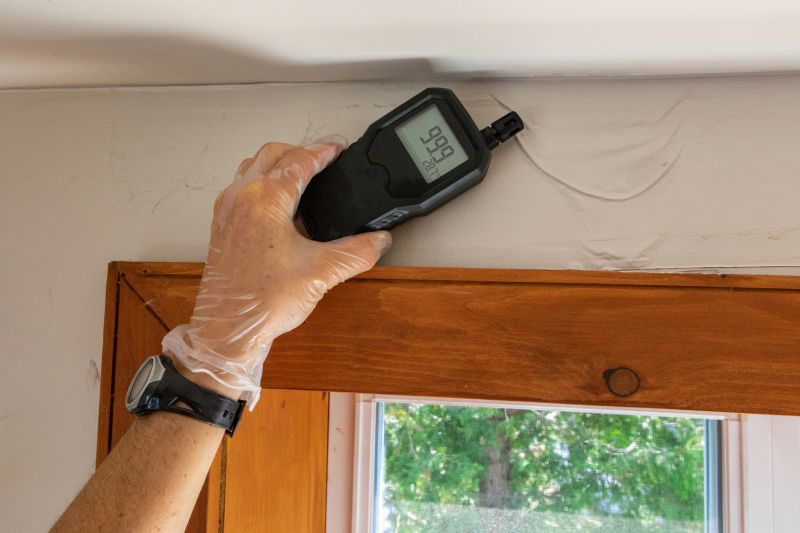
Little measurements that prevent headaches on Air Quality Testings day.
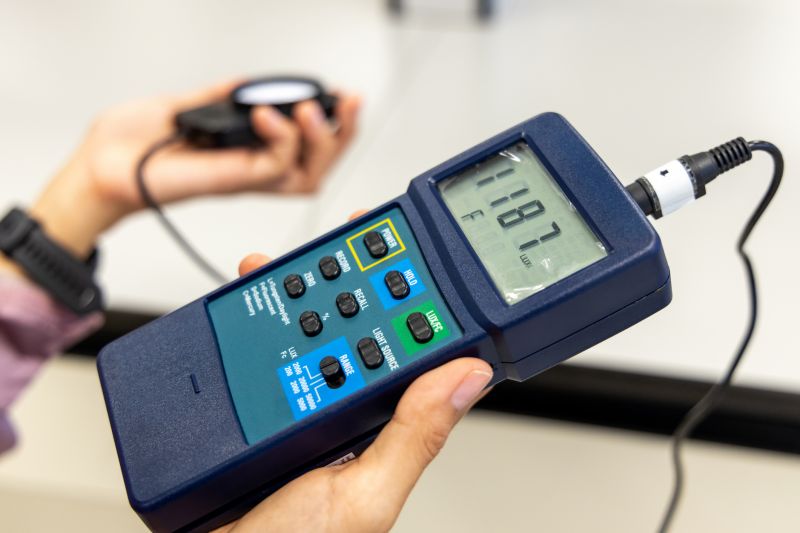
A 60-second routine that keeps Air Quality Testings looking new.
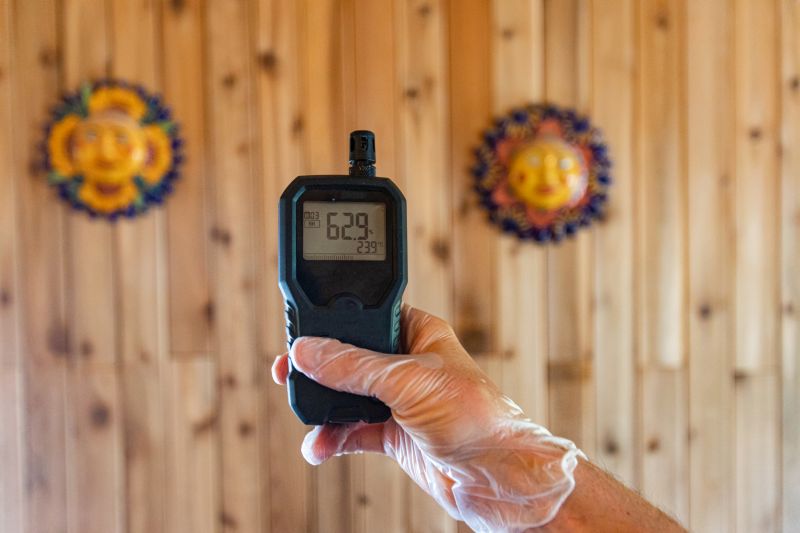
A frequent mistake in Air Quality Testings and how to dodge it.
| Optimal Testing Period | Reason |
|---|---|
| Winter | Indoor pollutant levels may increase due to heating and reduced ventilation. |
| Post-Construction | To detect residual dust, fumes, and other pollutants. |
| Pre- and Post-Renovation | To assess impact and improvements. |
| High Pollution Days | To evaluate infiltration of outdoor pollutants. |
| During HVAC Maintenance | To identify issues related to air circulation and filtration. |
| Spring | Allergy season can influence indoor air quality. |
| Summer | Increased use of air conditioning and outdoor pollutants. |
| Fall | Preparation for winter heating can reveal new air quality issues. |
Air quality testing provides valuable insights into indoor environments, helping to identify sources of pollutants and assess the effectiveness of ventilation systems. Regular testing can assist in maintaining a healthy indoor atmosphere, especially during periods of significant environmental or structural changes.
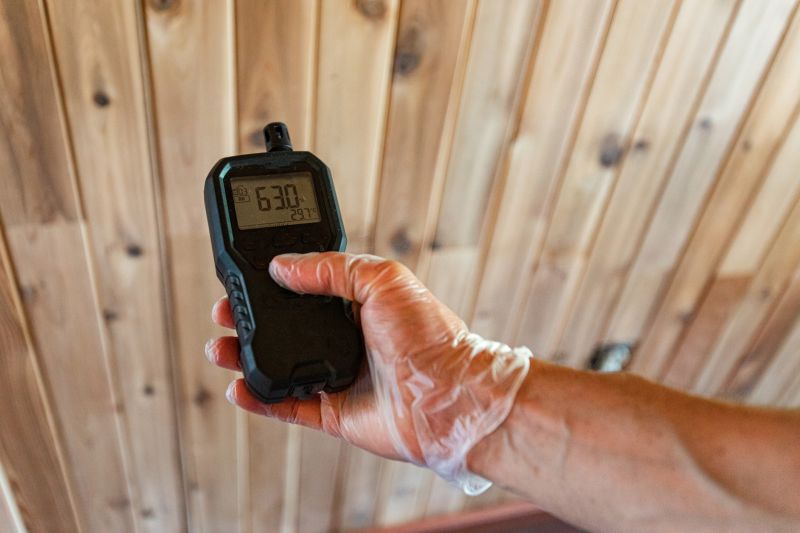
Small tweaks to make Air Quality Testings safer and easier to use.
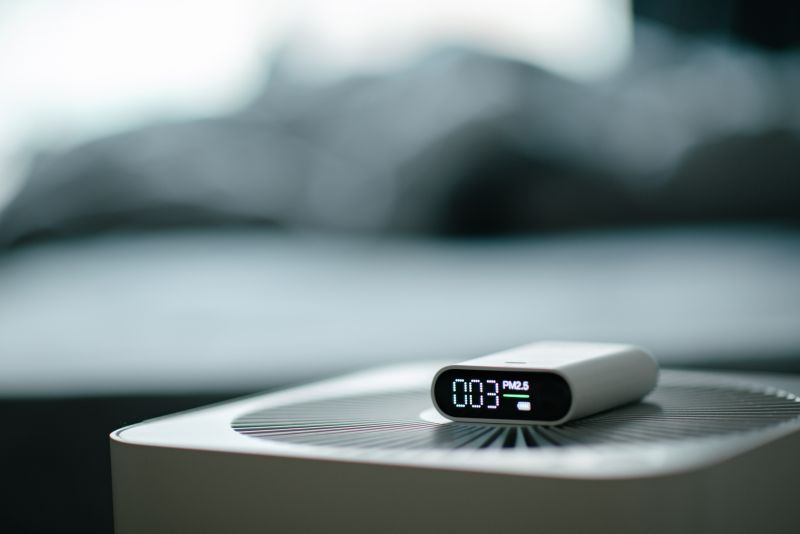
Lower-waste or water-saving choices for Air Quality Testings.
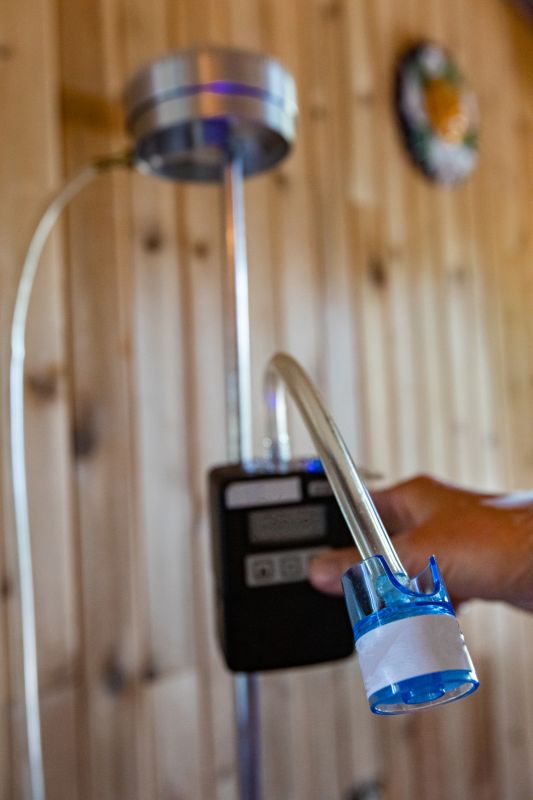
The short, realistic tool list for quality Air Quality Testings.
Rough timing from prep to clean-up for Air Quality Testings.
Interested in assessing indoor air quality? Filling out the contact form can provide more information and help schedule testing at the most appropriate time for specific needs.